Oct 5, 2026Buying Guides
Surface Porosity & Blistering in Zinc Alloy Die-Casting
Understand surface porosity and blistering in zinc alloy die-casting, their impact on cabinet hardware finishes, and how proper quality control helps prevent defective products.
Understanding Surface Porosity and Blistering in Zinc Alloy Die-Casting
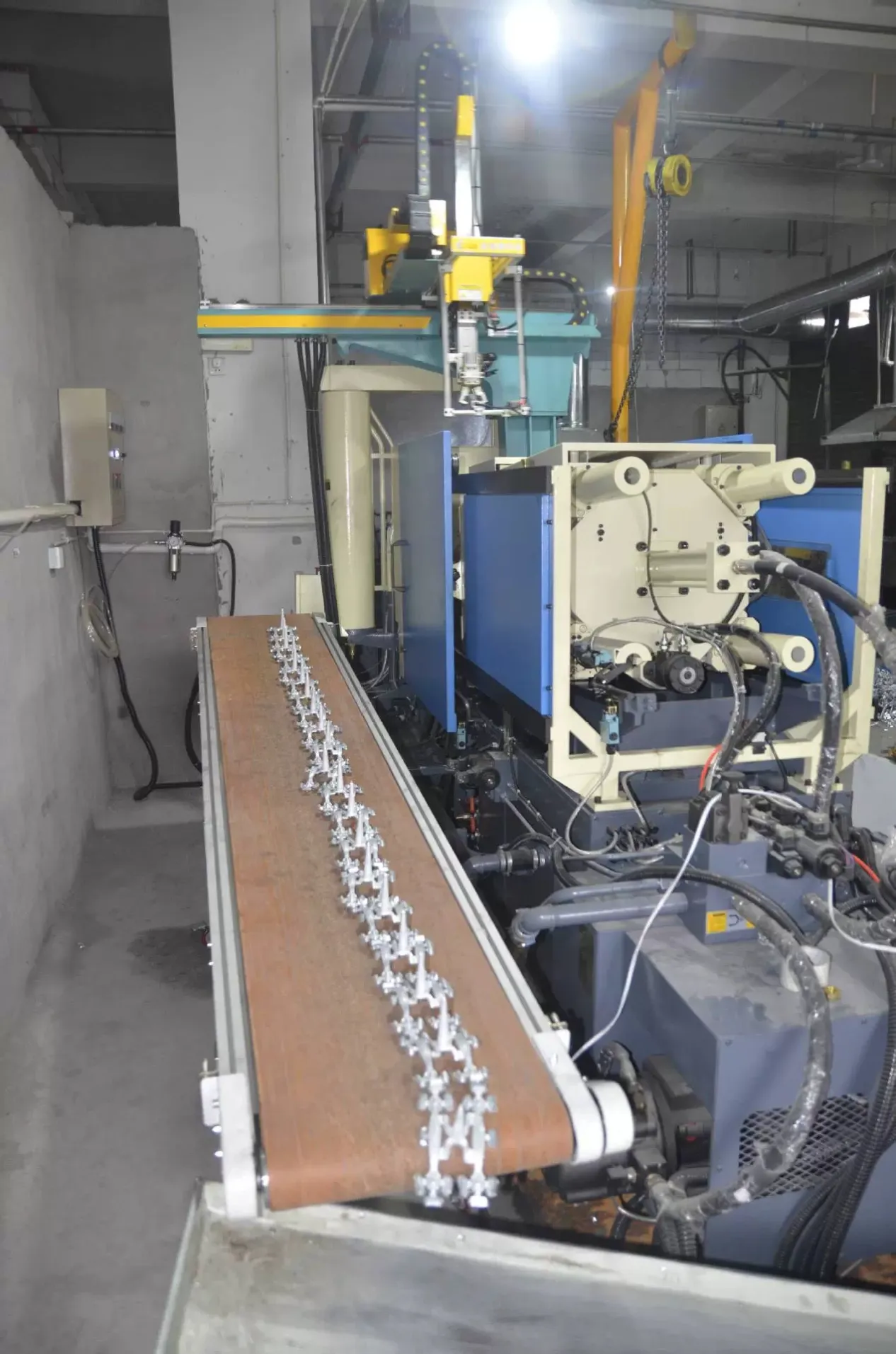
Zinc alloy die-casting is widely used to manufacture cabinet handles, cabinet pulls, knobs, cup pulls, and other decorative hardware. The process allows manufacturers to produce detailed shapes, consistent dimensions, and attractive designs at scale.
However, the quality of a zinc alloy die-cast component is not determined only by its shape and dimensions. The condition of the casting surface is also critical, especially when the product will receive polishing, electroplating, painting, or another decorative finish.
Two surface-related problems that buyers and manufacturers need to understand are surface porosity and blistering.
These defects may not always be obvious when a raw casting first leaves the die-casting process. In some cases, they become much more noticeable during polishing or after surface finishing. For cabinet hardware, where appearance is an important part of product value, controlling these problems is therefore an important part of manufacturing quality.
This article provides a practical overview of surface porosity and blistering in zinc alloy die-casting and explains why they matter when sourcing cabinet hardware.
What Is Surface Porosity in Zinc Alloy Die-Casting?
Porosity refers to small voids or cavities that can exist within or near the surface of a die-cast component.
In simple terms, the casting may look solid from the outside, but small internal spaces can exist inside the metal. When these spaces are close to the surface, they may become visible during machining, polishing, or finishing.
For zinc alloy cabinet hardware, surface porosity can appear as:
- Small holes or pits
- Tiny depressions
- Uneven areas after polishing
- Pinholes that become more visible after finishing
- Surface imperfections that affect the final appearance
Not every internal void will necessarily affect the finished product. The key concern is whether the porosity reaches or becomes exposed at the surface and whether it affects subsequent processing.
Why Surface Porosity Matters
For functional mechanical components, an internal defect may sometimes have limited visual importance.
Decorative cabinet hardware is different.
A cabinet pull or knob is often installed in a highly visible position on a cabinet, kitchen, wardrobe, bathroom vanity, or furniture piece. Customers can see and touch the hardware every day.
As a result, even relatively small surface imperfections can become important when the product is expected to have a premium appearance.
Surface porosity can become particularly problematic during later finishing operations. A surface that appears acceptable in an unfinished casting may reveal imperfections after polishing or coating.
This is why inspecting the casting before it moves to the next production stage is important.
What Is Blistering?
Blistering is a different type of surface problem.
A blister is generally visible as a raised area, bubble, or localized swelling on a finished surface. In zinc alloy hardware, blistering may become visible after processes such as plating or other surface finishing.
The problem is especially important because a finished cabinet handle is expected to have a smooth, consistent, and durable appearance.
Blistering may appear as:
- Raised bubbles on the surface
- Localized swelling
- Uneven finished areas
- Visible bubbles or lifted coating
- Areas where the surface finish has separated from the underlying material
From a buyer's perspective, the important point is that blistering is not simply a cosmetic detail. It indicates that the finished surface does not meet the expected quality level.
Why Can These Problems Become More Visible After Finishing?
One of the most important points for hardware buyers is that the condition of a zinc alloy casting cannot always be judged only by looking at the unfinished product.
Zinc alloy cabinet hardware commonly goes through several stages before reaching its final appearance.
A simplified production path can include:
Die-casting → Surface inspection → Polishing → Surface treatment → Final inspection → Packaging
Each stage can reveal or magnify problems from an earlier stage.
For example, polishing changes the surface condition of the casting. Surface treatment then creates the final decorative appearance. If there are defects beneath the surface, they may become more apparent during these processes.
This is one reason why quality control should not rely on a single final visual inspection.
The Relationship Between Casting Quality and Surface Finishing
Cabinet hardware is often selected partly because of its finish.
A buyer may request finishes such as:
- Matte Black
- Brushed Gold
- Satin Nickel
- Chrome
- Antique Bronze
- Black Nickel
- Other customized colors or finishes
The final finish is expected to be uniform and visually consistent across the entire batch.
This means the quality of the underlying zinc alloy casting matters.
A high-quality surface finish cannot completely compensate for a poor-quality substrate. If the casting has significant surface defects, polishing and finishing may expose those problems rather than eliminate them.
For this reason, die-casting quality and surface finishing quality should be considered as connected parts of the same manufacturing process.
Common Areas Where Buyers Should Pay Attention
When evaluating zinc alloy cabinet hardware, buyers should pay attention to several areas rather than looking only at the overall shape of the product.
1. Visible Front Surfaces
The front and top surfaces of a cabinet handle or knob are normally the most noticeable areas after installation.
These surfaces should have a clean and consistent appearance without obvious pits, holes, bubbles, or other visible defects.
2. Edges and Corners
Edges and corners can require additional attention because surface conditions may become more noticeable during polishing and finishing.
For detailed or decorative hardware, consistent treatment of these areas is particularly important.
3. Recessed and Detailed Areas
Knobs, cup pulls, decorative handles, and other detailed designs may contain recessed areas that are more difficult to inspect.
These areas should also be checked before the product moves to subsequent production stages.
4. Finished Surfaces
After plating, painting, or another surface treatment, the final appearance should be inspected again.
A casting that passed an earlier inspection should not automatically be considered acceptable without checking the finished product.
How Quality Control Can Reduce the Risk
Effective quality control is not simply about finding defective products at the end of production.
It is about identifying potential problems at different stages before they become costly downstream issues.
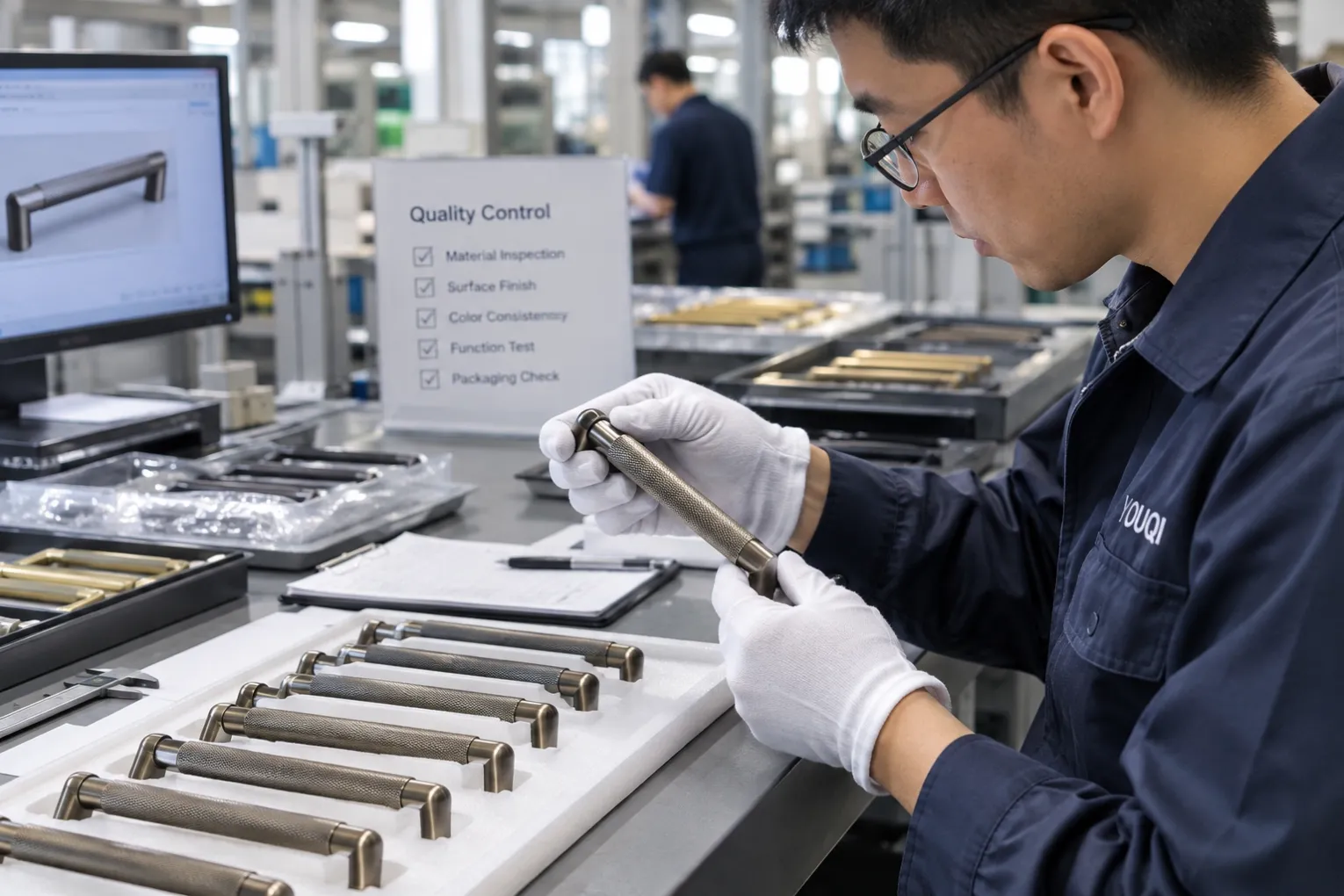
For zinc alloy hardware, a comprehensive approach can include several checkpoints.
Raw Material Composition Check
The production process begins with the material itself.
Checking raw material composition helps ensure that the material used for production is consistent with the required specification.
This provides an important foundation for stable manufacturing.
Die-Casting Appearance Inspection
After die-casting, the appearance of the raw casting can be inspected for obvious defects.
The purpose is to identify problems before additional processing adds cost to the product.
Surface Defect Inspection
Surface inspection focuses specifically on defects that could affect subsequent polishing or finishing.
Potential problems such as visible pits, holes, uneven areas, and other casting defects should be identified during this stage.
If a defect is significant enough to affect product quality, the product should not simply continue through the production process.
Polishing Inspection
Polishing changes the surface condition of zinc alloy hardware.
Therefore, the polished surface needs to be checked before it moves to finishing.
This stage is particularly important for decorative cabinet hardware because surface consistency directly affects the final appearance.
Plating and Finish Inspection
After surface treatment, the finished product should be inspected again.
The inspection should look for problems such as:
- Uneven finish
- Visible surface defects
- Color inconsistency
- Blistering
- Other abnormalities in the finished surface
If blistering or another significant finishing defect is found, the product should be classified as unacceptable rather than being shipped to the customer.
Final Appearance Inspection
The final inspection provides another opportunity to ensure that the finished cabinet hardware meets the required appearance standard before packaging and shipment.
This is especially important for products supplied to furniture brands, cabinet manufacturers, wholesalers, and distributors where inconsistent appearance can affect the customer's brand image.
Why Defective Products Should Be Removed Rather Than Reused
For a hardware supplier, identifying a defect is only one part of quality control.
The next question is what happens to the defective product.
For zinc alloy cabinet hardware, obvious casting defects that can affect the product should be screened out and scrapped rather than being allowed to enter the finished batch.
The same principle applies to finished products with unacceptable blistering.
This approach helps prevent a defective component from being hidden by additional processing or accidentally mixed with qualified products.
It also reduces the risk of customers receiving products that do not meet their expected appearance standard.
What Should Buyers Ask a Zinc Alloy Hardware Supplier?
When sourcing zinc alloy cabinet handles, pulls, knobs, or cup pulls, buyers do not necessarily need to become die-casting specialists.
Instead, they can ask practical questions about the supplier's quality control process.
Useful questions include:
- How do you inspect raw zinc alloy materials?
- How are die-cast surfaces inspected?
- Do you check the products before polishing?
- How are polished surfaces inspected?
- How do you inspect finished or plated surfaces?
- How are casting defects handled?
- What happens when blistering is found?
- Is there a final appearance inspection before packaging?
- How are defective products separated from qualified products?
The purpose of these questions is not simply to obtain technical information. It is to understand whether the supplier has a systematic approach to preventing defective hardware from reaching the customer.
Surface Quality Is Especially Important for Premium Cabinet Hardware
For premium cabinet hardware, product value comes from more than the basic function of opening and closing a cabinet.
Buyers also evaluate:
- Shape
- Material
- Weight and hand feel
- Surface finish
- Color consistency
- Detail quality
- Overall appearance
Zinc alloy is often selected for cabinet hardware because it can support a wide range of designs and provide a substantial feel.
But the benefits of the material can only be fully realized when the casting, polishing, and finishing processes are properly controlled.
A well-designed handle with a poor surface finish can still create a negative impression.
For furniture brands and hardware distributors, this matters because the hardware becomes part of the customer's perception of the finished furniture.
How YOUQI Approaches Zinc Alloy Hardware Quality
At YOUQI, zinc alloy products include cabinet handles and pulls, knobs, cup pulls, and other cabinet hardware.
Quality control covers multiple stages rather than relying only on the final appearance inspection.
The process includes raw material composition checks, die-casting appearance inspection, surface defect inspection, polishing inspection, plating or finish inspection, and final appearance inspection.
When defects that could affect product quality are identified during production, they are screened out.
For zinc alloy die-cast products, unacceptable casting defects are removed and scrapped rather than being allowed to continue into the finished batch.
Similarly, if blistering or other unacceptable defects are found after surface finishing, the affected products are treated as unqualified products and scrapped.
This approach helps keep surface quality consistent across finished cabinet hardware and reduces the risk of defective pieces reaching customers.
A Practical Quality Perspective for Hardware Buyers
Surface porosity and blistering may sound like highly technical manufacturing terms, but buyers can understand their importance through a simple principle:
The quality of the finished hardware depends on the quality of the processes behind the finished surface.
A cabinet handle may look simple after installation, but its final appearance can depend on the quality of the raw material, die-casting, polishing, surface treatment, inspection, and packaging processes.
For this reason, buyers should evaluate not only the appearance of a supplier's sample but also the supplier's ability to control quality consistently during mass production.
A good sample is useful.
A reliable quality-control system is even more important.
FAQ
Is surface porosity always visible on zinc alloy hardware?
No. Some porosity may be internal or may not be obvious in the raw casting. Surface-related defects can become more noticeable during polishing or subsequent surface treatment.
Can polishing completely remove surface porosity?
Not necessarily. The effect depends on the location and severity of the defect. Significant casting defects should be identified and removed through quality control rather than relying on polishing to hide them.
What does blistering look like on finished zinc alloy hardware?
Blistering can appear as raised bubbles, localized swelling, or areas where the surface finish appears uneven or lifted.
Why is blistering a problem for cabinet handles?
Cabinet handles are highly visible decorative hardware. Blistering can affect the smoothness and appearance of the finish and therefore reduce the perceived quality of the product.
Should zinc alloy cabinet hardware be inspected before and after finishing?
Yes. Different production stages can reveal different types of defects. Inspecting the casting, polished surface, finished surface, and final product provides better control than relying on only one inspection.
What should buyers look for when sourcing zinc alloy cabinet hardware?
Buyers should evaluate the material, design, surface finish, dimensional consistency, sample quality, and—importantly—the supplier's quality-control process for identifying and removing defective products.
Conclusion
Surface porosity and blistering are two examples of why the quality of zinc alloy die-cast hardware cannot be judged by design alone.
For cabinet handles, knobs, and cup pulls, the final surface is an important part of the product's value. Problems that originate during casting or appear during finishing can affect the appearance of the finished hardware and, ultimately, the customer's perception of the furniture brand.
A reliable supplier should therefore control quality throughout the production process—from raw material and die-casting to polishing, finishing, and final inspection.
For buyers looking for zinc alloy cabinet hardware with consistent surface quality, YOUQI Hardware Supply provides zinc alloy handles, pulls, knobs, and cup pulls with multi-stage quality inspection and defect screening.
Contact YOUQI to discuss your zinc alloy cabinet hardware requirements, request product samples, or explore suitable finishes and designs for your next project.