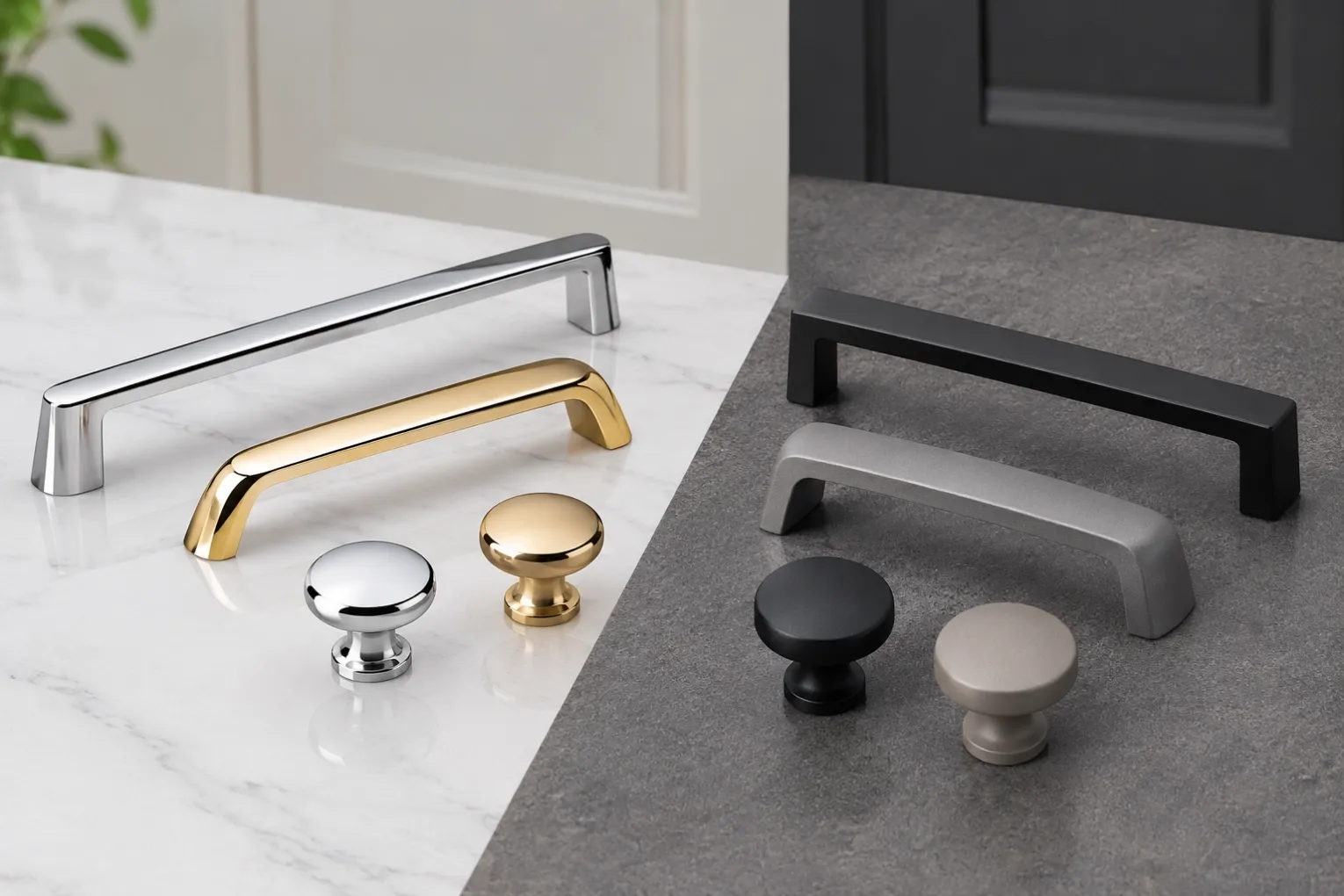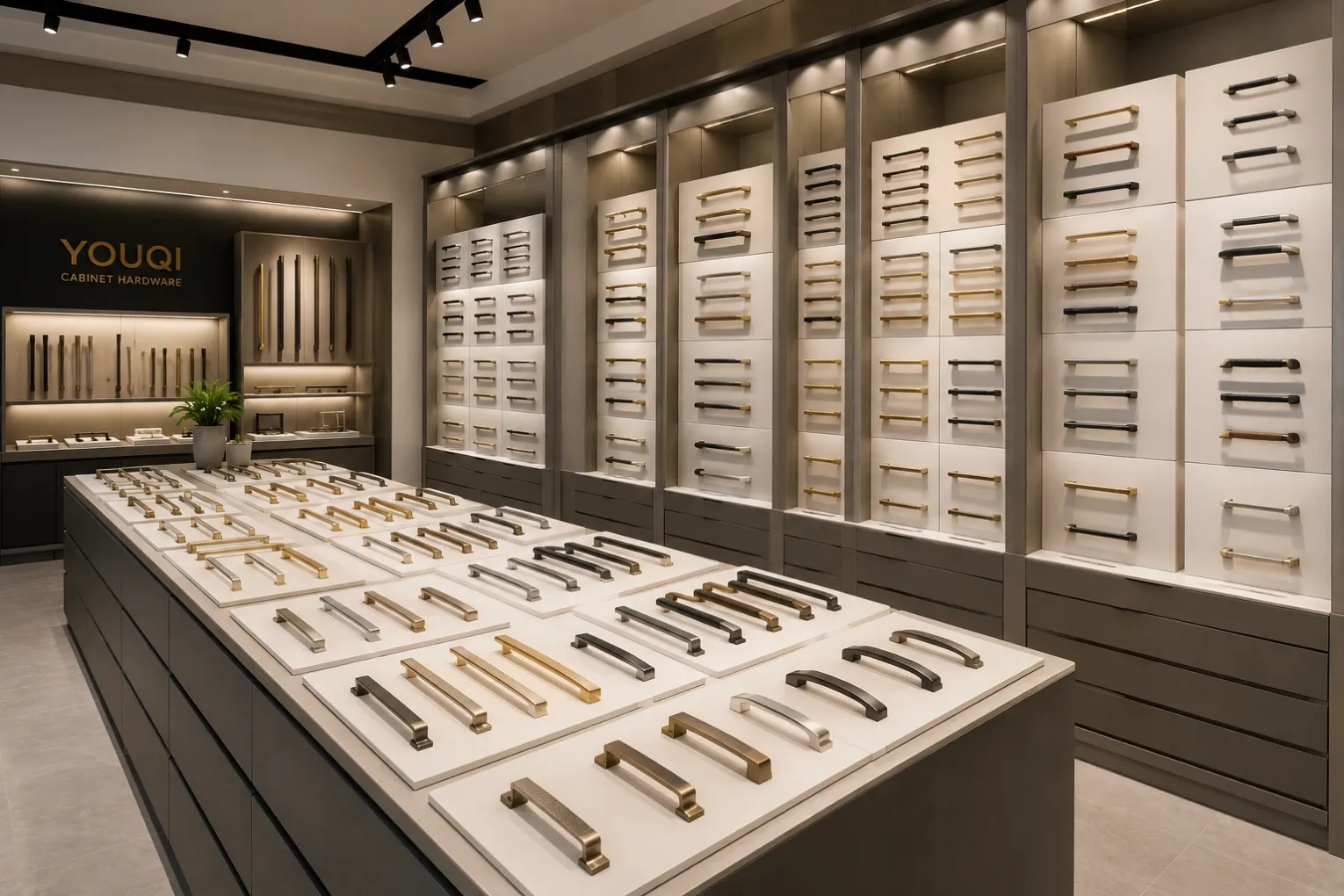
Sep 8, 2026Buying Guides
The Hidden Risks of Low-Cost Hardware | YOUQI Quality Control
Discover the hidden risks of low-cost cabinet hardware and how YOUQI protects furniture brands through material, finish, color, assembly and packaging inspections.
The Hidden Risks of Low-Cost Hardware: How YOUQI Protects Your Brand Reputation
For furniture brands, cabinet hardware may represent only a small part of the total product cost. This can make low-cost hardware look attractive when comparing suppliers.
However, the lowest purchase price does not always mean the lowest overall cost.
Poor surface finishing, inconsistent colors between batches, weak plating processes, inadequate packaging and unstable product quality can eventually lead to customer complaints, replacements and damage to a brand's reputation.
For brands that depend on consistent product quality, choosing a reliable cabinet hardware supplier is therefore not simply about finding a lower price. It is about controlling the risks behind that price.
What Are the Hidden Risks of Low-Cost Hardware?
Low-cost cabinet hardware can create problems that may not be obvious when reviewing a quotation or a product sample.
Poor Surface Finishing
Surface quality directly affects how cabinet hardware looks and feels after installation.
Insufficient polishing or inconsistent surface preparation can result in visible imperfections. These issues may become particularly noticeable on premium furniture where the hardware is an important design detail.
A cabinet handle with an uneven or poorly finished surface can make an otherwise high-quality piece of furniture appear less refined.
Batch-to-Batch Color Differences
Color consistency is especially important for furniture brands that repeatedly purchase the same hardware.
A finish may look acceptable on one production batch but appear noticeably different in a later batch if color control is not properly managed.
This can create problems when hardware from different batches is installed on the same furniture collection or sold under the same product line.
For brands, consistency is not only a hardware issue. It becomes part of the customer's perception of the entire product.
Inconsistent Plating Quality
For plated cabinet hardware, the finishing process plays an important role in the final appearance.
Poor control during plating can affect the visual quality and consistency of the hardware. When the finish does not meet the expected standard, the problem may only become obvious after the products arrive at the customer's facility.
This is why relying only on the appearance of a pre-production sample is not enough. The production process also needs appropriate quality checks.
Inadequate Packaging Protection
Even a properly manufactured cabinet handle can be damaged during transportation if the packaging does not provide sufficient protection.
Scratches, surface damage and collisions between products can reduce the quality of the hardware before it reaches the customer.
For international furniture hardware orders, packaging should therefore be considered part of quality control rather than simply an afterthought.
Why the Lowest Hardware Price Can Become More Expensive
A low unit price may look attractive during purchasing negotiations, but the actual cost of poor-quality hardware can extend far beyond the original purchase price.
Potential consequences include:
- Product complaints
- Replacements and rework
- Additional inspection costs
- Delayed furniture production
- Inventory problems
- Customer dissatisfaction
- Damage to brand reputation
For furniture brands, the most expensive consequence may not be the defective hardware itself.
It can be the loss of customer confidence.
When a customer receives furniture with visibly inconsistent or poorly finished hardware, they are unlikely to separate the hardware problem from their overall perception of the furniture brand.
How YOUQI Controls Hardware Quality
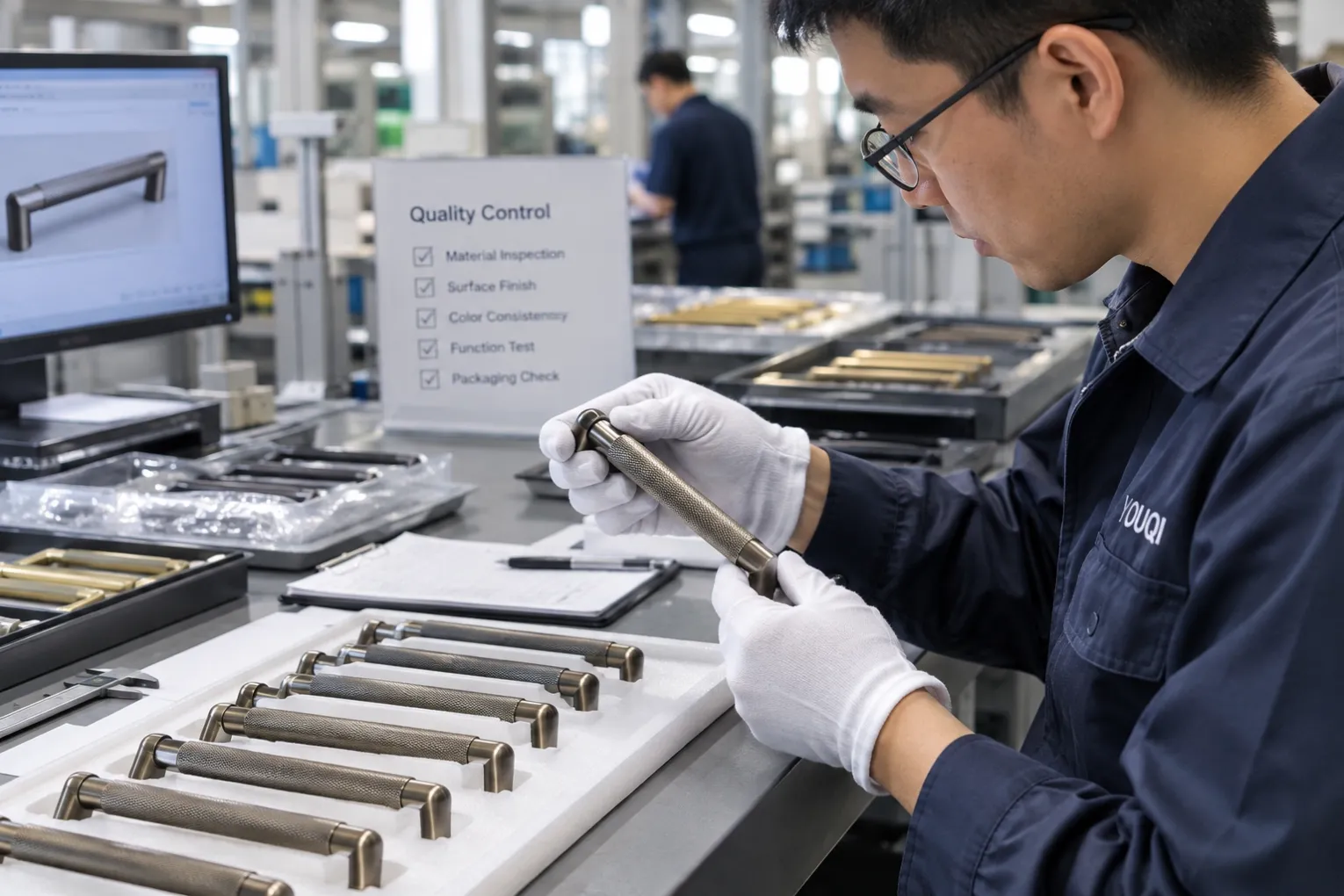
At YOUQI, quality control is approached as a process covering multiple production stages rather than relying only on a final visual inspection.
The inspection process includes:
- Raw material composition testing
- Mold condition inspection
- Tapping and thread inspection
- Polishing quality inspection
- Color difference inspection
- Assembly inspection
- Packaging inspection
Each stage addresses a different potential source of quality problems.
Raw Material Composition Testing
The quality of the finished hardware starts with the raw material.
YOUQI checks the material composition to help ensure that the material used for production meets the required product requirements.
Controlling the material at the beginning of the process helps reduce the risk of quality problems further down the production line.
Mold Condition Inspection
For hardware manufactured using molds, mold condition can affect the consistency of the finished products.
Regular mold condition inspection helps identify potential issues before they affect a larger quantity of products.
This is particularly important for furniture brands that require consistent appearance across production batches.
Tapping and Thread Inspection
The mounting system is an important part of cabinet hardware quality.
YOUQI checks tapping and threads to help ensure that screws and related components can be properly assembled.
A visually attractive cabinet handle is not enough if its mounting components do not function as expected.
Polishing Quality Inspection
Before finishing, polishing quality has a direct influence on the final appearance of the hardware.
YOUQI checks polishing quality as part of the production process to reduce visible surface imperfections and provide a more consistent base for subsequent finishing.
Color Difference Inspection
Color consistency is particularly important for furniture brands using the same hardware across multiple products or orders.
YOUQI performs color difference checks to help control consistency between products and production batches.
This is especially relevant for finishes where even small visual differences can be noticeable on premium furniture.
Assembly Inspection
Hardware components need to work together correctly.
YOUQI checks assembly to identify issues before products are packed and shipped.
This provides another quality checkpoint between production and final packaging.
Packaging Inspection
The quality control process continues until the products are packed.
YOUQI checks packaging to help ensure that cabinet hardware receives appropriate protection before transportation.
For international orders, proper packaging can help reduce the risk of surface damage and other problems caused by handling and shipping.
Sample Confirmation and Production Consistency
Quality control starts before mass production.
After the customer confirms the sample, YOUQI produces the order according to the approved sample.
This 1:1 production approach helps establish a clear reference for the final order.
The approved sample provides a basis for controlling important aspects such as:
- Product appearance
- Size and design
- Surface finish
- Color
- Assembly
- Overall product quality
For furniture brands, this is important because the sample they approve is the product standard they expect to receive in the production order.
Protecting Brand Reputation Through Consistency
Brand reputation is built through repeated customer experiences.
A furniture brand may spend significant resources developing its product design, selecting materials and creating a premium market position. If the final hardware has poor finishing or inconsistent color, that investment can be undermined by a relatively small component.
This is why hardware quality should be considered part of the overall product experience.
YOUQI focuses on consistency throughout the production process so that customers are not simply receiving hardware that looks acceptable in a sample, but products produced according to the confirmed requirements.
Quality Control Is More Than Final Inspection
An effective quality control system should not depend entirely on finding defects at the end of production.
By checking different stages of manufacturing, potential problems can be identified earlier.
The YOUQI approach covers the process from:
Raw Material → Mold → Tapping & Threads → Polishing → Color → Assembly → Packaging
This multi-stage approach helps reduce the possibility that a problem at one production stage will continue through the entire order.
Why Furniture Brands Should Look Beyond Unit Price
When comparing cabinet hardware suppliers, price is naturally an important consideration.
However, buyers should also evaluate:
- Material quality
- Surface finishing
- Color consistency
- Production control
- Assembly quality
- Packaging protection
- Sample-to-order consistency
- Quality inspection process
- Supplier communication
A supplier with a slightly higher unit price may ultimately provide better value if the products are more consistent and reduce the risk of complaints, replacements and production interruptions.
For brands, reliable quality is part of cost control.
How YOUQI Helps Reduce Hardware Quality Risks
YOUQI combines production management with systematic quality inspections to provide furniture brands and buyers with more consistent cabinet hardware.
The process includes material testing, mold inspection, tapping and thread checks, polishing inspection, color difference checks, assembly inspection and packaging inspection.
After sample approval, production follows the confirmed sample to help maintain consistency throughout the order.
This approach is designed to give customers greater confidence that the hardware they receive matches the quality and appearance they approved.
Frequently Asked Questions
Is low-cost cabinet hardware always lower quality?
Not necessarily. However, buyers should look beyond the quoted unit price and evaluate the supplier's materials, production process, finishing quality, inspection system and packaging protection.
What are the common quality problems with low-cost cabinet hardware?
Common risks can include poor surface finishing, inconsistent colors between batches, unstable plating quality and inadequate packaging protection.
How does YOUQI check cabinet hardware quality?
YOUQI uses multiple inspection stages, including raw material composition testing, mold condition inspection, tapping and thread inspection, polishing quality inspection, color difference inspection, assembly inspection and packaging inspection.
Does YOUQI produce orders according to approved samples?
Yes. After the customer confirms the sample, YOUQI produces the order according to the approved sample on a 1:1 basis.
Why is color consistency important for furniture brands?
Color differences between production batches can become visible when hardware is used across the same furniture collection. Consistent finishes help maintain a unified product appearance and brand image.
Can packaging affect cabinet hardware quality?
Yes. Insufficient packaging protection can result in scratches, surface damage or other problems during transportation. Packaging inspection is therefore included in the YOUQI quality control process.
Is the cheapest cabinet hardware the best choice for a furniture brand?
Not necessarily. A lower purchase price can become more expensive if it leads to complaints, replacements, rework, delays or damage to customer confidence. Buyers should evaluate total product risk rather than unit price alone.
Conclusion
Low-cost cabinet hardware can create hidden risks that are difficult to see from a quotation alone. Poor surface finishing, batch color differences, inconsistent plating and inadequate packaging can all affect the final furniture product and, ultimately, the brand behind it.
For furniture brands, cabinet manufacturers and professional buyers, the better question is not simply “How much does the hardware cost?” but “How reliably can the supplier deliver the quality we approved?”
At YOUQI, quality control covers multiple stages from raw material inspection through packaging, while approved samples provide a clear reference for production consistency.
The goal is simple: help customers receive consistent cabinet hardware while reducing the quality risks that can affect their products and brand reputation.
If you are sourcing cabinet handles, cabinet pulls or other furniture hardware for your brand, contact YOUQI to discuss your product requirements and quality expectations.